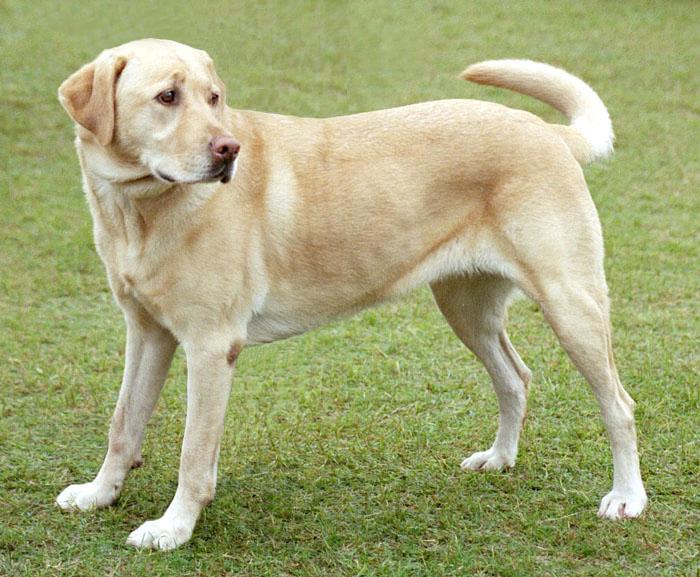
Yellow Labrador retriever looking attentively, representing pet care in Hungary
Pet Care Guides for Hungary

Practical Pet Care Guidance for Owners in Hungary

From daily routines to training methods and veterinary checkups, these guides cover what every pet owner in Hungary should know. Written from hands-on experience with dogs, cats, and small animals.

3 Guides Detailed Articles
Updated March 2026
Hungary Local Focus
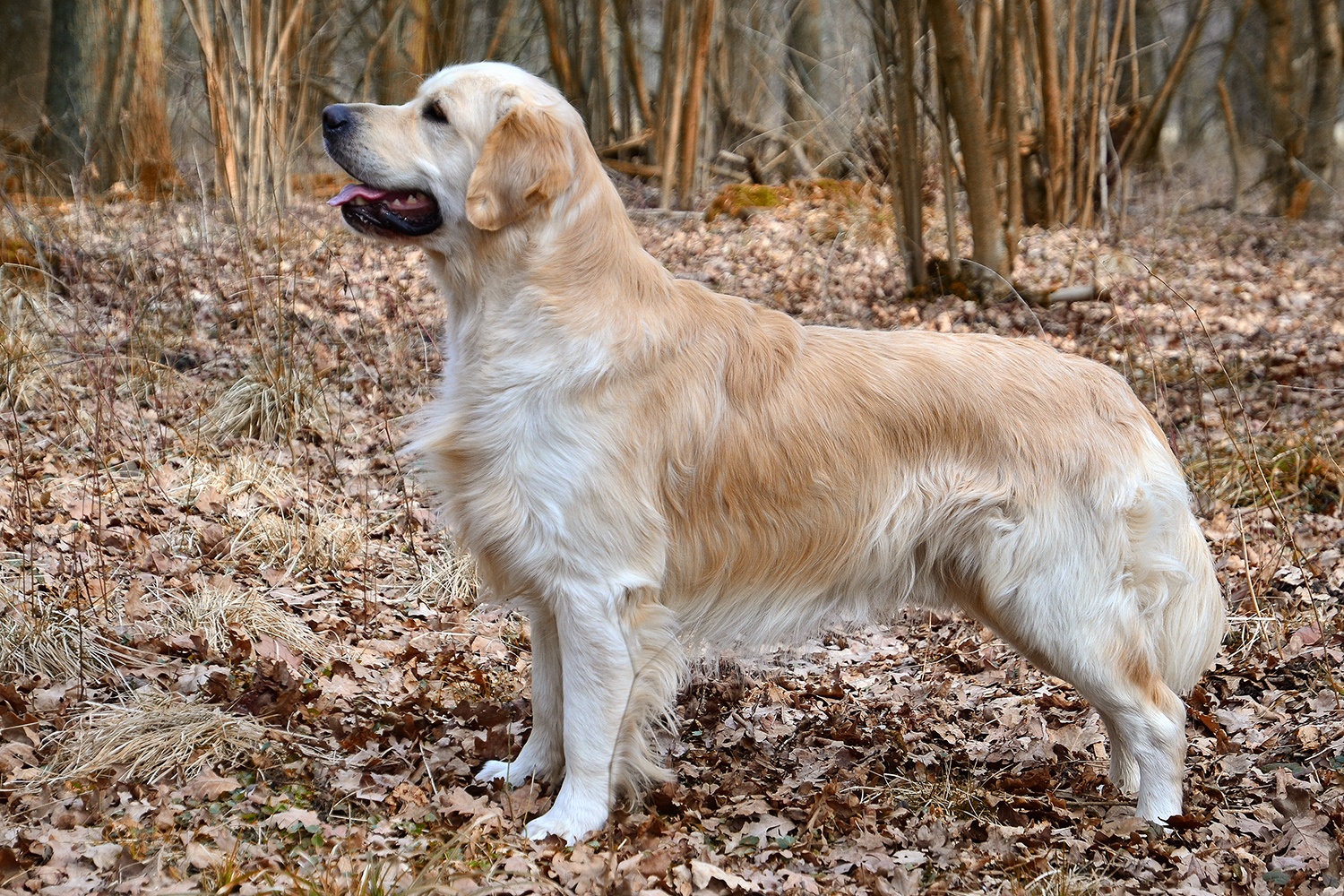
Golden retriever resting outdoors in Hungary

Why Good Pet Care Matters More Than People Realise

I started writing about pet care after moving to Budapest in 2019 with two dogs and a cat. Finding reliable, locally relevant advice turned out to be surprisingly difficult. Most online resources were either American-focused or machine-translated from Hungarian into something barely readable.

What I have learned over the past several years is that good pet care in Hungary involves specific local knowledge: which veterinary clinics actually take emergencies, where to find quality pet food without paying import premiums, and how training methods need to adapt to apartment living in the city.

These guides reflect that experience. They are written for English-speaking pet owners who live in or are relocating to Hungary.
What Every Pet Owner Should Read

Each guide covers practical, tested approaches that work specifically in the Hungarian context.

Dog training with a disc in an open field Dog Training

Effective Dog Training Methods for Apartment Living

Most training guides assume you have a garden. In Budapest, that is rarely the case. This guide covers realistic training approaches for dogs living in apartments, including recall, leash behaviour, and dealing with shared stairwells.

Read the full guide →
Domestic tabby cat looking attentively at camera Cat Health

A Practical Guide to Indoor Cat Care and Health

Indoor cats in Hungary face specific health concerns, from sedentary weight gain to dental issues that many owners overlook. This guide covers nutrition, enrichment, common illnesses, and when a vet visit is genuinely necessary.

Read the full guide →
Veterinarian examining an animal at a clinic Vet Advice

Finding and Working With Veterinarians in Hungary

The Hungarian veterinary system works differently from what many expats expect. This guide explains how vet clinics operate, what vaccinations are legally required, and how to handle emergencies outside normal hours.

Read the full guide →

Things I Wish Someone Had Told Me Earlier

Practical advice drawn from years of pet ownership in Budapest.

Register Your Pet With Nebih

All dogs in Hungary must be microchipped and registered with the National Food Chain Safety Office (Nebih). Without this, you cannot legally travel within the EU with your dog. The process is handled through your veterinarian and costs around 5,000-8,000 HUF.

Summer Heat is Serious

Budapest summers regularly exceed 35 degrees Celsius. Walk your dog before 8am and after 7pm. Pavement temperatures can burn paw pads within seconds at midday. Carry water on every walk and watch for signs of heatstroke: excessive panting, drooling, and lethargy.

Pet Insurance Exists Here

Several Hungarian insurers now offer pet health insurance, including Aegon and Generali. Policies typically cover accident treatment and some surgical procedures. Pre-existing conditions are excluded. Monthly premiums start from around 3,000 HUF for dogs.

Budapest Has Off-Leash Parks

Designated kutyafuttato (dog parks) exist across Budapest. Normafa, Varosliget, and Margit-sziget all have dedicated areas. Dogs must be leashed on public transport and in most parks outside these designated zones. Fines for violations start at 20,000 HUF.

Breeds That Originated in Hungary

Hungary has a rich tradition of dog breeding. These three breeds are uniquely Hungarian and you will see them frequently in parks around Budapest.

Hungarian Vizsla dog standing in a field

Hungarian Vizsla

Originally bred as a hunting dog, the Vizsla is athletic, affectionate, and requires significant daily exercise. They are among the most popular breeds in Hungary and adapt well to active families.

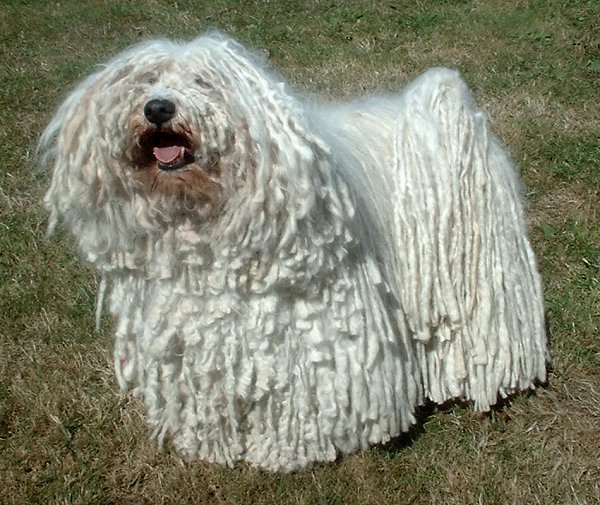
Hungarian Puli dog with characteristic corded coat

Hungarian Puli

Recognisable by their distinctive corded coat, Pulis were traditionally sheep-herding dogs on the Hungarian plains. They are intelligent and energetic, though their grooming requirements are considerable.

Komondor dog with white corded coat

Komondor

The Komondor is a large livestock guardian breed with a striking white corded coat. Originally used to protect flocks on the Great Hungarian Plain, they are calm but watchful, and fiercely protective of their family.

Reliable Sources for Pet Owners in Hungary

External links to authoritative organisations and services.

Nebih - National Food Chain Safety Office

The Hungarian authority responsible for pet registration, microchipping regulations, and animal welfare standards.

Visit

Hungarian Kennel Club (MEOE)

Official registry for pedigree dogs in Hungary, including breed standards, events, and certified breeder lists.

Visit

WSAVA - World Small Animal Veterinary Association

International veterinary guidelines on vaccination protocols, nutrition standards, and disease prevention.

Visit